
Articles about All Categories, tagged grant film
Happy Holidays! Now Streaming the Search for Santa in "It Was Just Like Christmas," Plus One More Amateur Gem
 |
| Santa is front and center in It Was Just Like Christmas (1948)... |
To celebrate the holidays, we’re sharing two Christmas-themed amateur shorts preserved by Northeast Historic Film through NFPF grants.
It Was Just Like Christmas (1948) follows a 5-year-old girl’s search for Santa Claus, while Sweeter by the Dozen (ca. 1950) depicts a day in the life of the second graders at the Westlake School in Los Angeles. Both films were created by Herbert F. Sturdy and feature his young daughter Sally.
Mr. Sturdy was a prominent attorney for the firm Gibson, Dunn, & Crutcher, and his clients included Walt Disney, whose will he executed. But according to Sturdy's daughter, filmmaking was “his gift, his talent, his great joy.” He shot 47,368 feet of 16mm film between 1929 and 1968, primarily consisting of home movies, usually … Read more
Five Silent Films Premiere on the NFPF Website: Starring Clara Bow, Richard Barthelmess, Corinne Griffith, and Hank Mann
 |
| Clara Bow is unlucky at cards but lucky in love in Poisoned Paradise (1924). |
To celebrate Silent Movie Day the National Film Preservation Foundation is proud to present five new silent films in our online screening room. All were preserved with NFPF support and all but one are appearing online—and on video—for the very first time. The HD videos are presented with notes and new scores by Michael Mortilla and Ben Model, two of the finest silent film accompanists working today. The titles include three features—Poisoned Paradise (1924), a melodrama starring Clara Bow; The Fighting Blade (1923), a costume drama starring and produced by Richard Barthlemess; A Virgin’s Sacrifice (1922), a frozen north saga starring Corinne Griffith—and two shorts: the Hank Mann comedy Way Out West (1920) … Read more
THE BARGAIN in the NFPF Screening Room
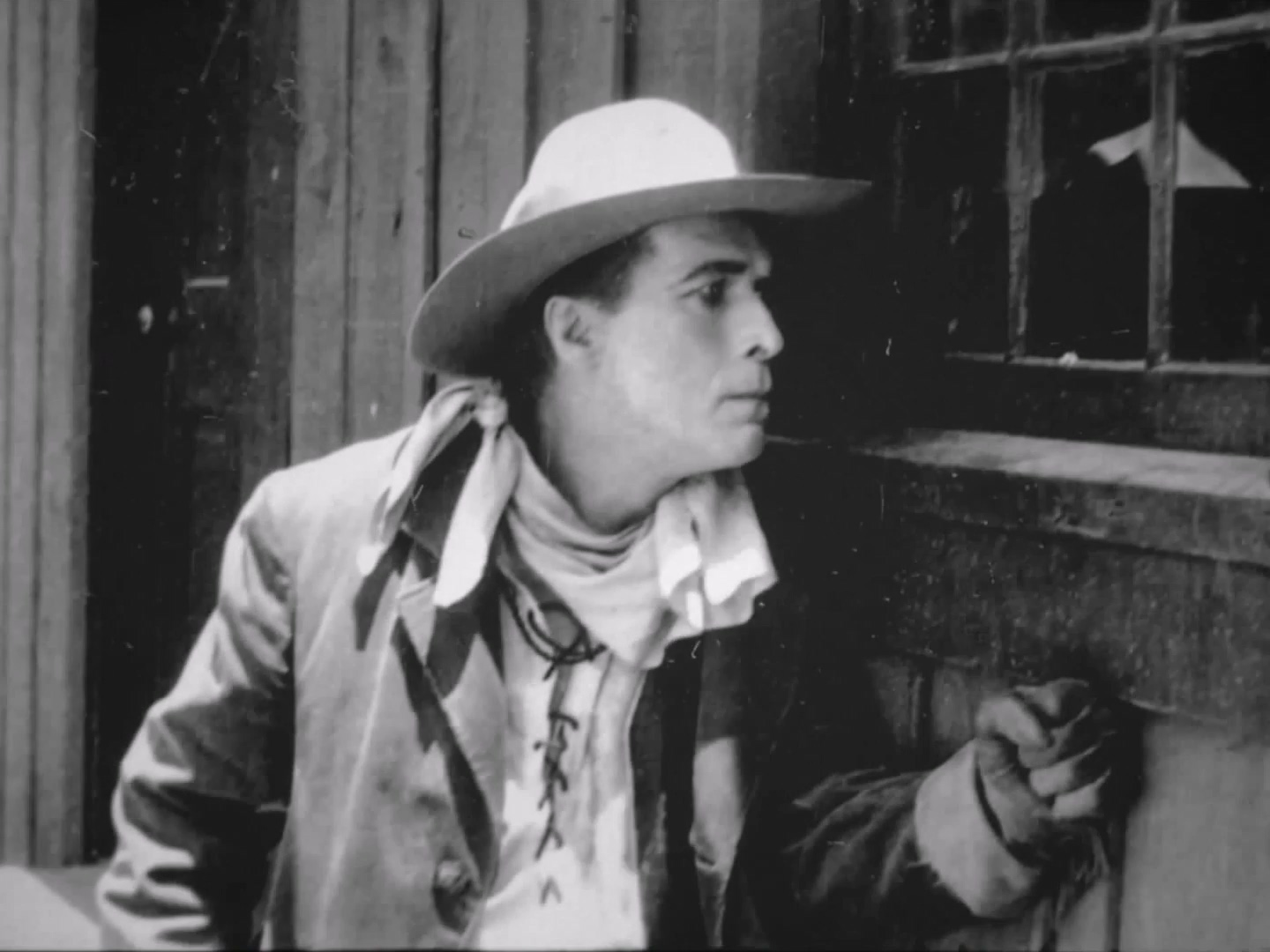 |
| William S. Hart in The Bargain (1914) |
The NFPF has the pleasure of announcing that The Bargain (1914) is now available for free viewing in our online screening room. This epochal western, produced by Thomas Ince, directed by Reginald Barker, and added to the National Film Registry in 2010, marked the feature film debut of William S. Hart, one of the genre's greatest stars. It kicked off Hart’s decade-long mission of giving the Western a greater semblance of realism and intense morality. Hart plays his favorite character type, the “good badman,” the outlaw who finds redemption in uneasy reach.
Though The Bargain is available elsewhere online, our copy is in High Definition and graced with a score by Ben Model! Our thanks to the Library of Congress for providing a scan of the 35mm paper print, originally deposited at the Library for copyright purposes in 1914, and for … Read more
“Preserving the Avant-Garde” in San Francisco
This Monday the 4 Star Theater in San Francisco will screen a program of experimental films to celebrate the 20th anniversary of the Avant Garde Masters grant program, a fruitful partnership between the NFPF and The Film Foundation.
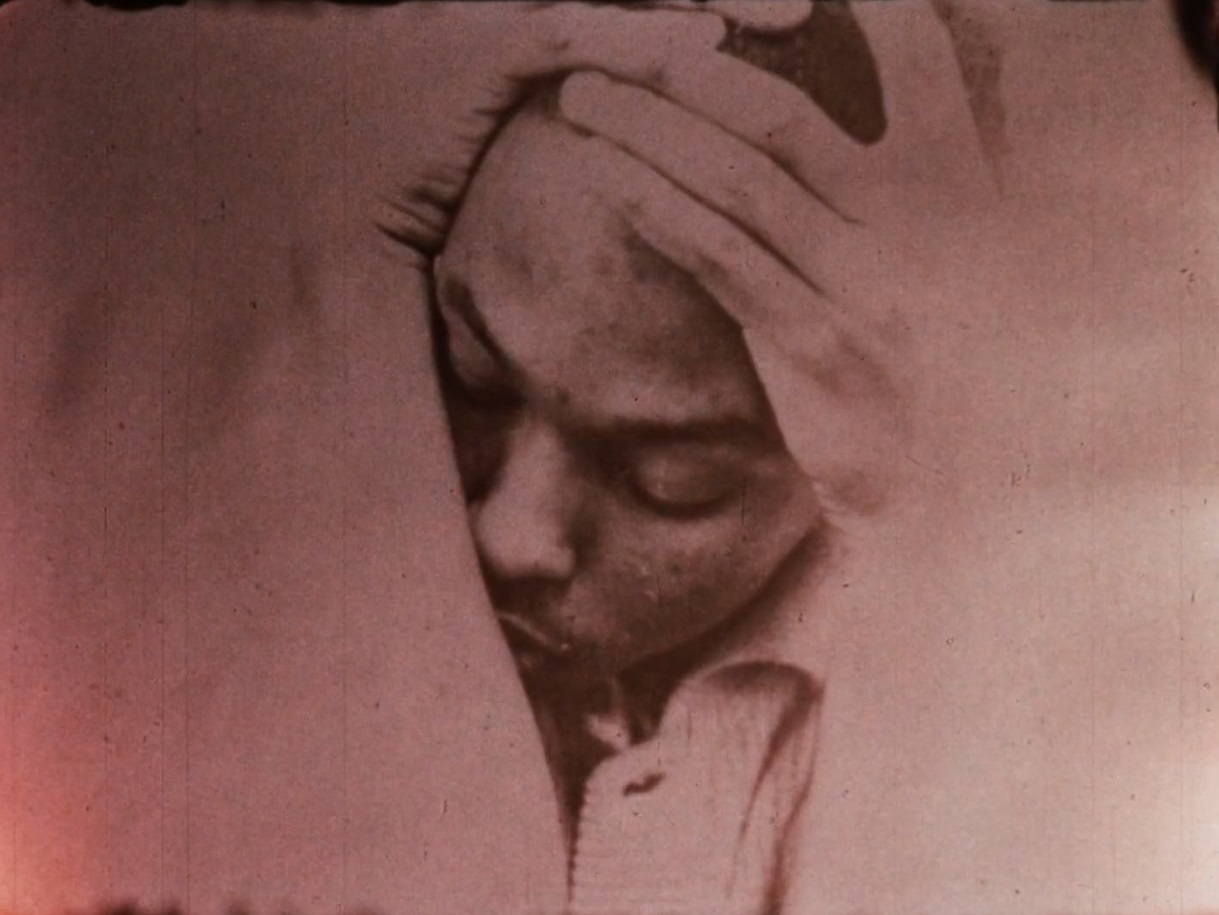 |
| Remembrance (1969), screening in the program "The Film Foundation: Preserving the Avant-Garde." |
Screening as part of the series “Scorsese: More than a Gangster,” the program is titled “The Film Foundation: Preserving the Avant-Garde.” Started in 1990 by Martin Scorsese, The Film Foundation has furthered the cause of film preservation by ensuring the survival of nearly 1,000 works of world cinema. Among these are 214 works (by 83 artists) preserved through Avant Garde Masters grant program, which is supported by the Film Foundation, administered by the NFPF, and receives funding from the Hobson/Lucas Family … Read more
NFPF-Preserved Films at the Century of 16mm Conference
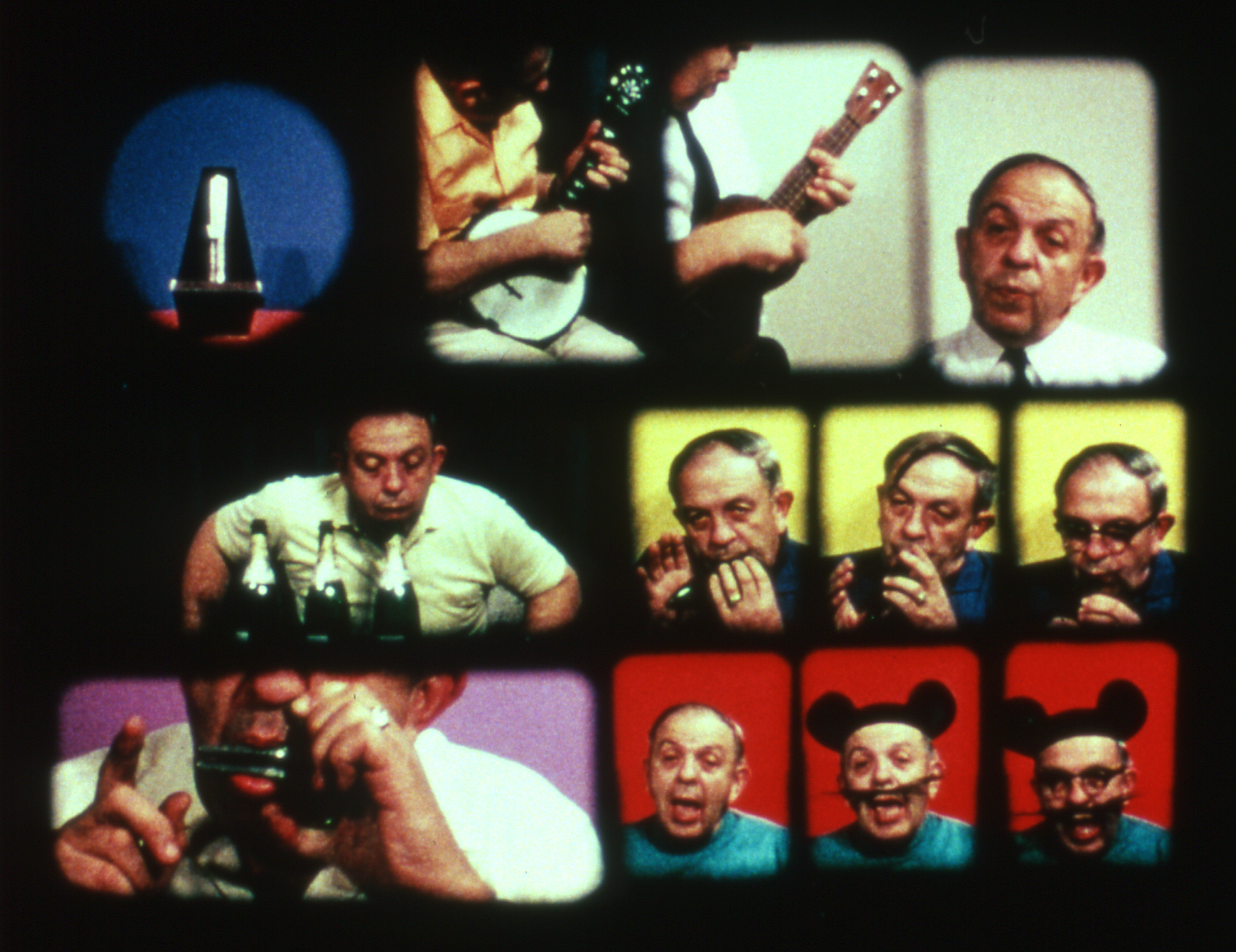 |
| Multiple SIDosis (1970), one of eight films screening in the Century of 16mm program “16mm Orphan Films Preserved through the National Film Preservation.” |
In 1923 Eastman Kodak introduced 16mm nonflammable film and radically changed the history of filmmaking, which became affordable and feasible to millions. The new format facilitated the rise of home movies and amateur moviemaking. Filmmaking was no longer the preserve of well-heeled industries—16mm democratized it.
To celebrate this momentous anniversary, the Indiana University Libraries Moving Image Archive has organized “A Century of 16mm,” which includes an academic conference, commissioned films, exhibitions of 16mm technologies, and screenings.
Among the conference programs, scheduled for Thursday, September 14th, is “16mm Orphan Films Preserved through the National Film … Read more